Provide the best processing solutions
- All
- Product Name
- Product Keyword
- Product Model
- Product Summary
- Product Description
- Multi Field Search

Views: 0 Author: Site Editor Publish Time: 2025-11-21 Origin: Site
Slant bed CNC lathes are an indispensable tool in modern metal machining, offering exceptional performance in various industrial sectors. These machines combine a unique slanted bed design with advanced CNC (Computer Numerical Control) capabilities to provide high efficiency, precision, and durability. This article will explore the working principle of slant bed CNC lathes, key components, and guidelines for proper usage, along with the common mistakes to avoid. Understanding how a slant bed CNC lathe works can help operators optimize their machining processes, improve productivity, and enhance product quality.
At the heart of a slant bed CNC lathe is the distinctive slanted bed, which plays a crucial role in improving the machine's overall performance. The slanted bed design, typically at a 45-degree angle, offers several key benefits over traditional flat-bed lathes.
One of the major advantages of the slanted bed design is its ability to facilitate the efficient removal of chips during machining. The angle of the bed allows chips and debris to flow away from the workpiece without obstructing the cutting area. This reduces the chances of chip accumulation, which can lead to tool wear, surface finish degradation, and inefficient machining. The smooth flow of chips ensures that the cutting area remains clean, reducing downtime and enhancing the overall machining process.
The slanted bed enhances the stability of the machine, particularly during high-speed and heavy-duty cutting operations. The design allows the machine to better absorb cutting forces, reducing vibrations and maintaining accuracy. By minimizing vibrations, the lathe can produce more precise and consistent results, ensuring high-quality surface finishes and tight tolerances. This feature is especially critical when machining hard materials or working with fine details.
Another notable advantage of slant bed CNC lathes is the increased cutting efficiency they provide. The slanted bed allows for easier access to cutting tools and reduces the likelihood of tool interference during machining. This design also improves the cutting angle, enabling the lathe to cut more efficiently and at higher speeds. These advantages ultimately lead to shorter machining times, increased productivity, and reduced wear on the cutting tools.
To better understand how a slant bed CNC lathe functions, it is important to examine the key components that contribute to its performance. These parts work in synergy to achieve the desired precision and productivity.
The spindle is a central component of any CNC lathe. It holds the workpiece in place and rotates it during the cutting process. In slant bed CNC lathes, the spindle is designed to operate at high speeds and with great power, which is essential for performing heavy-duty cutting tasks. The precision and durability of the spindle are crucial for ensuring accurate cuts and long tool life. Spindle performance directly impacts the overall machining results.
The tool holder is responsible for securely holding the cutting tool in place while it interacts with the workpiece. In slant bed CNC lathes, the tool holder is positioned in such a way that it allows for easy access and efficient cutting. This ensures that the tool remains stable during operations and can be replaced or adjusted without interrupting the machining process. The tool holder's design is critical for ensuring smooth tool changes and minimizing setup time.
The CNC control system is essentially the brain of the machine, responsible for interpreting the instructions given by the operator and controlling the movement of the lathe's various components. Advanced CNC systems provide real-time feedback and allow for automated adjustments to cutting parameters such as speed, feed rate, and depth of cut. This ensures that the machining process remains consistent and precise, even when dealing with complex geometries or varying material properties. CNC systems also help in troubleshooting and providing diagnostics for the machine, enabling efficient maintenance.
The linear guideways in slant bed CNC lathes provide smooth and precise movement of the carriage along the X, Y, and Z axes. These guideways are essential for ensuring that the machine operates with high accuracy and minimal friction. Linear guideways in slant bed CNC lathes are designed for heavy-duty applications and offer excellent load-carrying capabilities. By reducing friction, they improve the overall precision of the lathe and contribute to its longevity.
Servo motors are responsible for controlling the movement of the tool holder, carriage, and other moving parts of the machine. These motors allow for high-speed and precise positioning of the tool, which is essential for performing intricate machining operations. In slant bed CNC lathes, servo motors provide rapid response times and excellent control, making it possible to achieve tight tolerances and complex geometries.
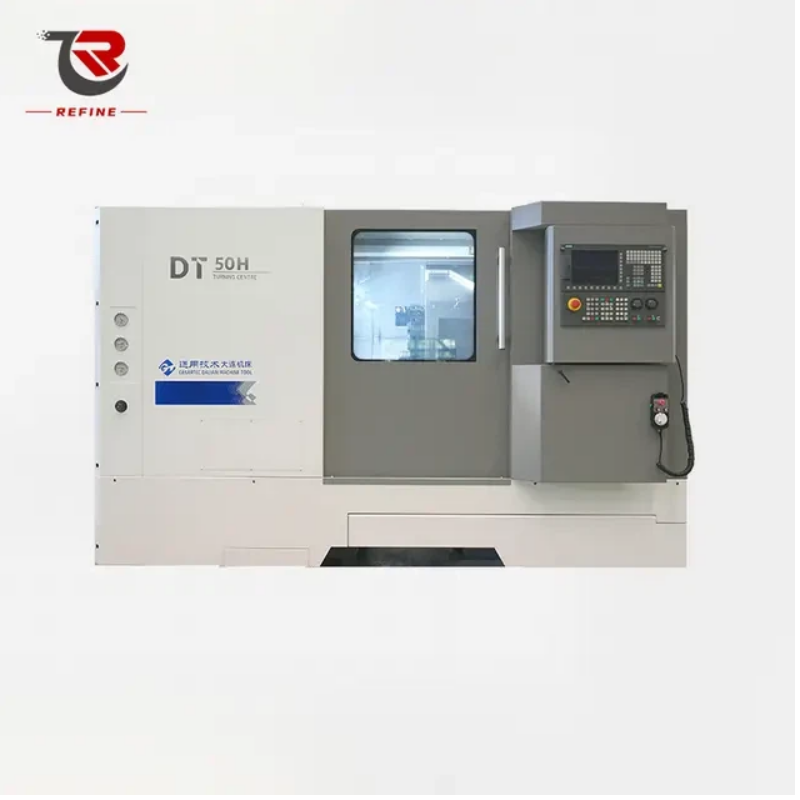
To ensure optimal performance and prolong the lifespan of a slant bed CNC lathe, it is essential to follow proper usage guidelines. Here are some key practices that operators should adopt when working with these machines:
Before beginning any machining operation, ensure that the workpiece is securely clamped in the spindle and that the cutting tools are correctly positioned. Accurate setup is crucial for achieving the desired results and preventing tool wear. Misalignment can lead to inaccurate cuts and unnecessary stress on the machine components. Additionally, regularly calibrate the machine to maintain its precision and reliability.
Like all machines, slant bed CNC lathes require regular maintenance to function optimally. Schedule routine inspections to check for wear and tear on critical components such as the spindle, tool holder, and guideways. Regularly clean the bed and remove any accumulated debris to prevent damage to the machine. Lubricate the moving parts to reduce friction and ensure smooth operation. Neglecting maintenance can lead to breakdowns, reduced machine life, and costly repairs.
Selecting the correct cutting tool is vital for achieving high-quality machining results. The type of tool you choose depends on the material being machined and the specific operation being performed. Using the wrong tool can result in poor surface finishes, increased tool wear, and decreased machining efficiency. Ensure that the cutting tool is compatible with the material and cutting parameters to maximize performance.
Adjust the cutting speed, feed rate, and depth of cut to suit the material and type of operation. Optimizing these parameters helps achieve the desired surface finish and prevents overheating or excessive tool wear. Slant bed CNC lathes are designed to handle heavy-duty operations, but using the wrong parameters can still lead to poor results. Always ensure that you are working within the machine's recommended cutting limits.
Coolant is an essential part of the machining process, as it helps reduce heat buildup and lubricates the cutting tool. The coolant also aids in the removal of chips from the cutting area. Regularly check the coolant system to ensure it is functioning properly and refill it as needed. Using the right coolant for the material and operation can significantly improve machining efficiency and tool life.
While slant bed CNC lathes are highly reliable, there are several common mistakes that operators should avoid to maintain optimal performance.
Improper tool setup can result in misalignment, inaccurate cuts, and premature tool wear. Always ensure that the tool holder is securely fastened and that the cutting tool is properly positioned. Incorrect tool setup can lead to defects in the final product and increase machining time.
Skipping routine maintenance checks can lead to premature wear and machine breakdowns. Neglecting to lubricate the guideways, clean the bed, and inspect the spindle can reduce the machine's efficiency and precision. Regular maintenance ensures the lathe operates smoothly and reliably.
Operating the lathe with the wrong cutting parameters can cause overheating, excessive tool wear, and poor surface finishes. Always adjust the cutting speed, feed rate, and depth of cut to match the material being machined. If unsure, consult the machine's manual or refer to cutting parameter guides.
While slant bed CNC lathes are designed for heavy-duty operations, overloading the machine can cause excessive wear and damage. Ensure that the workpiece and cutting tools are within the machine's capacity. Always monitor the load limits and avoid pushing the machine beyond its capabilities.
Allowing chips to accumulate during machining can cause clogs, increase tool wear, and reduce machining efficiency. Regularly monitor chip removal and clean the bed and tool area to maintain optimal performance.
In conclusion, understanding the working principle of slant bed CNC lathes is essential for maximizing their performance and ensuring consistent, high-quality machining results. The unique slanted bed design offers enhanced chip removal, improved stability, and increased cutting efficiency, making these lathes ideal for heavy-duty applications. By following proper usage guidelines and avoiding common operational mistakes, operators can extend the lifespan of their machines and optimize their machining processes.
If you're looking for a reliable and high-performance CNC lathe for your metal machining needs, contact Refine. Our slant bed CNC lathes are engineered to deliver precision, reliability, and efficiency across a wide range of applications, including automotive, aerospace, and general engineering.
1. What makes a slant bed CNC lathe different from a traditional CNC lathe?
The primary difference is the bed angle. A slant bed CNC lathe has a 45-degree slanted bed, which improves chip removal, reduces vibrations, and enhances stability. These advantages make slant bed lathes more suitable for heavy-duty and high-precision machining.
2. How does the CNC control system affect the operation of a slant bed CNC lathe?
The CNC control system ensures precise control of the lathe's movement and cutting parameters. It allows for real-time adjustments, tool compensation, and efficient programming, all of which contribute to high-accuracy machining.
3. Can slant bed CNC lathes handle complex geometries?
Yes, slant bed CNC lathes are designed to handle complex geometries with high precision. The advanced CNC control system allows for intricate programming, and the stable design of the machine ensures consistent performance during complex machining tasks.
4. How can I maintain the performance of a slant bed CNC lathe?
Regular maintenance, including cleaning, lubrication, tool calibration, and inspection of critical components, is key to maintaining optimal performance. Follow the manufacturer's guidelines for routine maintenance to prevent wear and extend the machine's lifespan.


