Provide the best processing solutions
- All
- Product Name
- Product Keyword
- Product Model
- Product Summary
- Product Description
- Multi Field Search

Views: 0 Author: Site Editor Publish Time: 2025-11-25 Origin: Site
Choosing the right slant bed CNC lathe is essential to optimizing your manufacturing processes and ensuring high-quality production. At Refine, we understand that selecting the perfect machine can greatly impact both productivity and efficiency. In this article, we will guide you through the key factors you should consider when choosing a slant bed CNC lathe, focusing on matching the lathe's capabilities with your project's requirements. By understanding these factors, you will be better equipped to make an informed decision and select the most appropriate lathe for your specific needs.
When selecting a slant bed CNC lathe, the first step is to assess the specific needs of your project. Slant bed CNC lathes are versatile machines capable of handling a wide variety of tasks in various industries, including automotive, aerospace, and general manufacturing. The right lathe for your project depends on factors such as:
Project Type: Determine whether you are machining large or small parts. If your project involves precision components that require fine details, a lathe with higher precision capabilities is necessary. On the other hand, if you are dealing with larger, bulkier parts, you may need a lathe with a larger bed size to accommodate these workpieces.
Speed and Efficiency: The speed at which your lathe operates is a crucial factor. High-speed lathes can significantly reduce production time, but they may come with a higher cost. If your project requires rapid production, you should prioritize a lathe with enhanced cutting speeds.
Precision Requirements: Precision is paramount for certain industries such as aerospace or medical device manufacturing. Ensure that the lathe you select is capable of achieving the high tolerances your project demands. Look for lathes with features like advanced CNC controls and servo drives for enhanced accuracy.
Once you have identified your project needs, it will be easier to narrow down the type of slant bed CNC lathe that is best suited for your tasks.
The specifications of a slant bed CNC lathe play a crucial role in determining its overall performance and suitability for your manufacturing needs. Here are some of the most important specifications to consider when making your decision:
Spindle Speed: The spindle speed of a CNC lathe determines how fast the machine can cut through materials. For projects that require high cutting speeds or are made of tough materials, a high spindle speed is essential to improve productivity and ensure smooth operation.
Tool Turret: The tool turret is where the cutting tools are mounted on the lathe. A multi-position tool turret allows the lathe to automatically change tools, improving efficiency and reducing the need for manual intervention. The number of tool stations in the turret should be sufficient for the range of tools your project requires.
Bed Size and Rigidity: The bed size of the lathe determines the maximum size of the workpiece that can be accommodated. For larger workpieces, it's essential to choose a lathe with an adequately sized bed. Additionally, the rigidity of the bed plays a key role in minimizing vibrations during cutting, which can affect the precision and surface finish of the machined parts.
CNC Controls: Advanced CNC controls allow operators to program precise movements, enhancing the lathe's ability to handle complex tasks. Modern CNC systems also come with features like touchscreen interfaces and real-time monitoring to improve usability.
Each of these specifications contributes to the lathe's performance, so it's important to prioritize those that best align with your manufacturing needs.
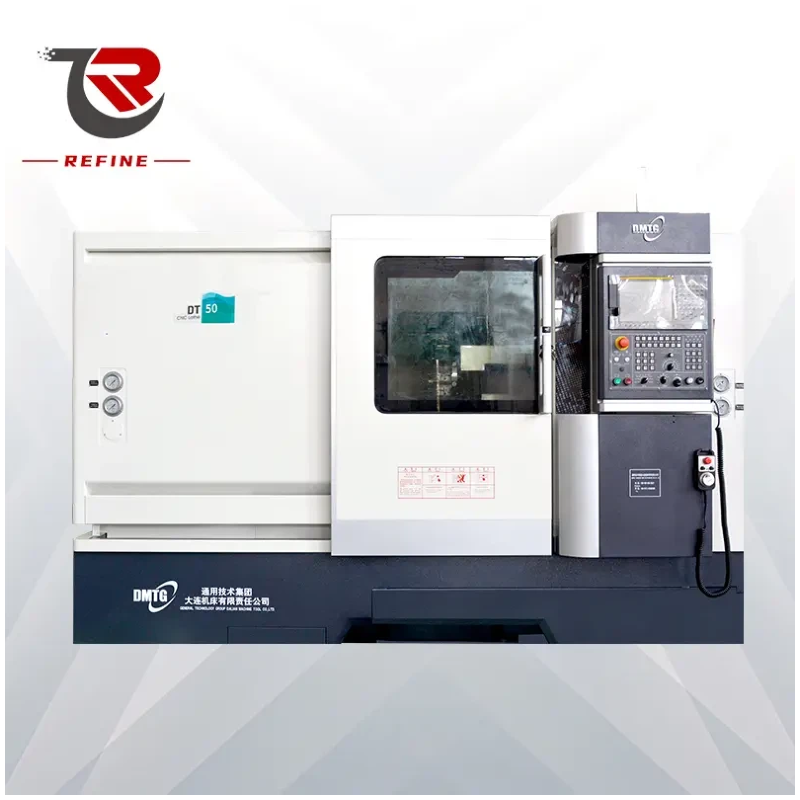
Another important factor to consider when choosing a slant bed CNC lathe is your production capacity and budget. High-end lathes with advanced features tend to come with a higher price tag, so it's essential to balance your investment with the expected return.
Production Capacity: Determine how much work you expect the lathe to handle on a daily or weekly basis. If your production volume is high, investing in a more robust, faster machine will yield better returns over time.
Budget Considerations: Establish a clear budget for your equipment purchase. While it may be tempting to opt for a more expensive model with advanced features, it's important to assess whether these features are necessary for your operations. In some cases, a more affordable option with fewer features may still meet your needs without the added expense.
A balance between production capacity and budget is key to ensuring that you make a wise investment in a slant bed CNC lathe.
When investing in a CNC lathe, post-purchase support and maintenance are critical factors to consider. Even the most well-built machines require periodic maintenance to ensure they continue to operate at peak performance. Without proper care, machines can become prone to downtime, which negatively affects production.
Support Services: Look for suppliers that offer reliable after-sales support. This includes access to customer service representatives, technical support, and training for your operators. A well-supported lathe will help you minimize downtime and keep your operations running smoothly.
Maintenance: Regular maintenance is essential to prolong the life of your CNC lathe. Many manufacturers offer maintenance packages to help you keep your lathe in good working condition. It's also worth considering the availability of spare parts and the ease of obtaining them when needed.
Choosing a machine with solid post-purchase support ensures that you get the most out of your investment and avoid unexpected costs.
Selecting the right slant bed CNC lathe can be a complex decision, particularly when faced with a wide range of models and configurations. It is highly recommended to consult with industry experts or specialists in CNC machinery to help you make an informed decision.
Expert Consultation: Experts can help you assess your project's requirements and match those needs with the right CNC lathe. Their guidance ensures that you invest in a machine that maximizes productivity while meeting your specific demands.
Customization Options: In some cases, you may need a customized CNC lathe for your unique manufacturing processes. Experienced consultants can help you identify the best customization options for your lathe, making sure it's tailored to your specific needs.
By seeking expert advice, you can avoid costly mistakes and ensure that you select the right lathe for your manufacturing processes.
Choosing the right slant bed CNC lathe is a critical decision that can significantly impact your manufacturing efficiency and product quality. Understanding your project needs, carefully considering the machine's specifications, balancing your budget with production capacity, and securing reliable post-purchase support are all essential steps in making the right choice. By following these guidelines, you can select a lathe that will help streamline your operations and meet the demands of your industry. If you're ready to invest in a high-quality slant bed CNC lathe, contact Refine for personalized recommendations and expert guidance.
1. What is a Slant Bed CNC Lathe?
A slant bed CNC lathe is a type of lathe machine that uses a slanted bed design to improve stability and chip removal during machining. This design enhances cutting precision and makes it ideal for high-performance machining tasks.
2. How do I know which Slant Bed CNC Lathe is right for my project?
To choose the right lathe, assess your project's needs in terms of size, speed, precision, and production volume. Additionally, consider the machine's specifications such as spindle speed, tool turret, and bed size.
3. Why is post-purchase support important when selecting a CNC lathe?
Post-purchase support ensures that you have access to maintenance services, technical support, and spare parts, which are essential to keeping the machine running smoothly and minimizing downtime.
4. Can a Slant Bed CNC Lathe handle large-scale production?
Yes, slant bed CNC lathes are designed for high-performance tasks, and many models are capable of handling large-scale production. However, you should ensure that the lathe you choose meets your specific production capacity requirements.


